

Enterprise data fabric is gaining significant attention in today’s digitally-driven world as enterprises require a holistic approach to data storage and integration. As enterprises introduce more technologies to their operations, their data generation will continue to increase. This makes collating, storing, and contextualizing data more challenging. An enterprise data fabric unifies data across departments and business units, enabling users to draw connections that would otherwise go unnoticed.
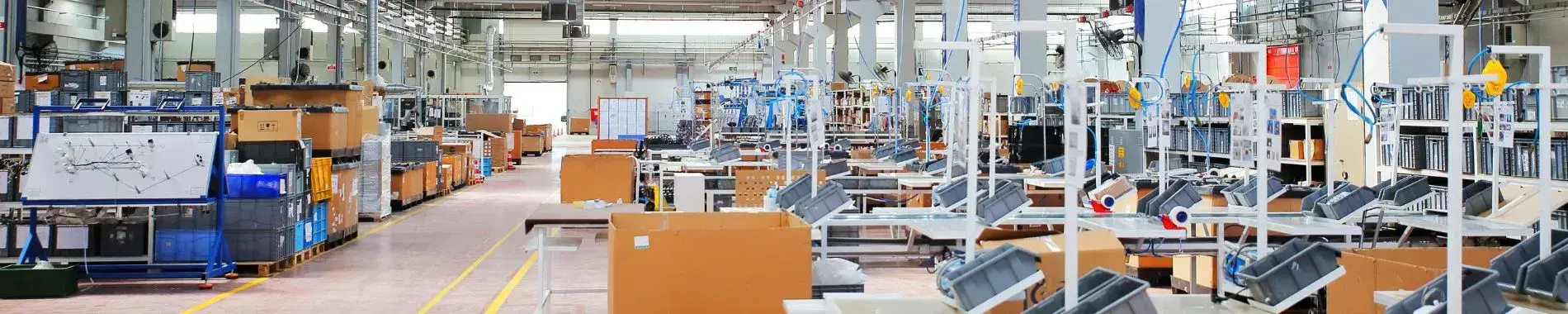
Manufacturers are expected to spend more than US$1 billion on private 5G in 2025. Growing at a robust Compound Annual Growth Rate (CAGR) of 45.7%, that number will surpass US$8.7 billion by 2030.
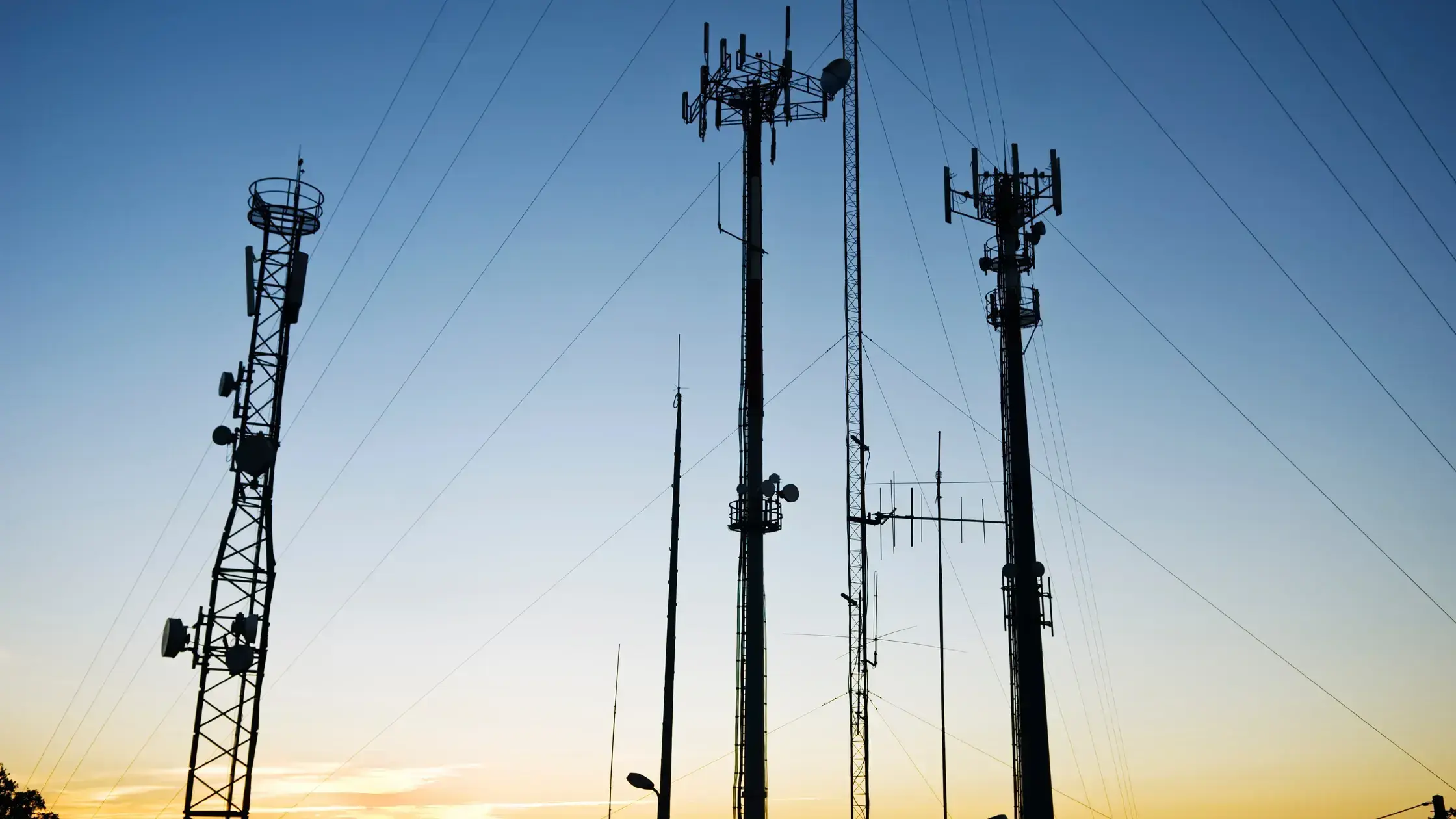
A key theme at MWC 2024 was sustainability, and reducing energy costs is now a key concern and priority for all mobile operators. Although the discussion nowadays focuses mostly on active antennas and how network operators can deploy 5G, most global networks are still powered by passive antennas, which are also following sustainability enhancements. These are now referred to as “high-efficiency” antennas, highlighting that their design, manufacturing, operation, and technology are taking sustainability into account. These antennas have recently taken a significant step toward being adopted in the mainstream, from previously being discussed as a theoretical concept. These traditional passive antennas have inherent energy losses, achieved through both their design and the manufacturing process, which all add to increased energy output, and thus more Carbon Dioxide (CO2) emissions. With base stations and their attached antenna units totaling 57% of all electrical power consumption in the passive antenna network, this is a key area for vendors to target in reducing their energy output while increasing their Radio Frequency (RF) efficiency.

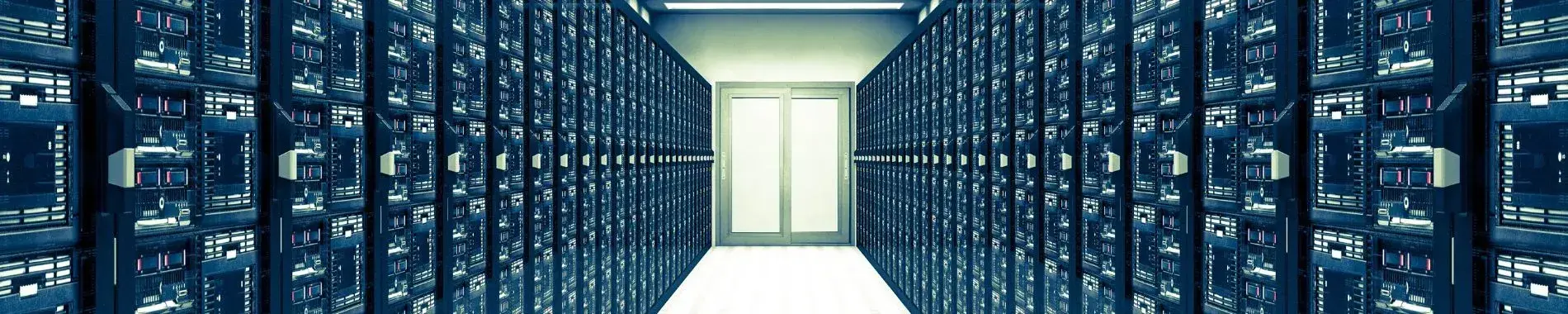
Historically, enterprise data have been generated, processed, and stored in a centralized data center. However, centralized data centers are not capable of providing the real-time computing capabilities that digitized businesses require for real-time applications. A superior option is to use edge-to-cloud, whereby data are generated/processed on-site closer to the source and stored in the cloud. Edge-to-cloud platforms provide the low latency and real-time information flexibility that modern enterprises demand.

ABI Research will attend the Hannover Messe 2024 exhibition in late April to evaluate the most transformative technologies shaping the industrial markets. This article shares our analysts' predictions for the event. Before we get to those expectations, here is a word from ABI Research Chief Research Officer Stuart Carlaw.

The year 2024 will mark the fourth one since 5G networks launched commercially, now well deployed in both developed and developing countries and representing a major advancement in user experience, energy efficiency, and network functionality, setting the stage for future technologies. Its introduction, particularly through Massive Multiple Input, Multiple Output (mMIMO), has greatly enhanced consumer applications, providing most users with high-speed, quality mobile broadband.

A number of cloud service providers are resolute in their support of enterprises’ digital twin efforts. Whether it’s Amazon Web Services’ (AWS) IoT TwinMaker or Alibaba Cloud’s Venue Simulation Service (VSS), various solutions exist for cloud-enabled digital twin deployment. The trend of technology providers shifting focus to cloud-driven digital twins is driven by the higher computing needs of industrial operators, manufacturers, supply chains, etc. Introducing highly specialized workloads like Artificial Intelligence (AI)/Machine Learning (ML) and intelligent Internet of Things (IoT) devices draws significant compute needs, which makes cloud platforms ideal for modern digital twin applications.

The modern enterprise faces significant macroeconomic challenges, with high inflation, rising energy and production costs, and widespread labor shortages affecting operations. To overcome these challenges, enterprises are further digitizing, taking advantage of everything from Augmented Reality (AR) to the Internet of Things (IoT). These high-bandwidth applications require a formidable connectivity backbone, making 5G deployments a key enabler of digitization. 5G promises big connectivity upgrades for enterprises, supporting Enhanced Mobile Broadband (eMBB), Enhanced Ultra-Reliable Low Latency Communication (eURLLC), and Massive Machine-Type Communication (mMTC).

In our blog post, How the Edge Enables Groundbreaking AI Applications, we provided a definition for edge Artificial Intelligence (AI). To refresh, ABI Research defines edge AI as “the implementation of AI platforms and solutions on the edge of a network, close to the end user's environment.” In other words, edge AI use cases and applications are processed locally instead of at a remote data center. Edge AI platforms include Internet of Things (IoT) hardware, edge computers, and small, localized data centers.