
MWC26 is in full swing and the entire industry is now sharing its innovations, pain points, and, of course, adapting to NVIDIA’s broader telco strategy. Almost every relevant exhibitor is announcing an Artificial Intelligence (AI) product or trial, while the industry tries to find use cases for Graphics Processing Units (GPUs) at the edge. But it’s the absence of major 6G announcements that is the most interesting theme.
Recent Posts

ABI Research’s telco clients require hard data to formulate their Go-to-Market (GTM) strategy and uncover the most promising opportunities. 5G network slicing is one of those opportunities that the industry is sizing up. To quantify the slicing opportunity, we published our Network Slicing market data in early November 2025, the first update since 3Q 2023.
The ABI Research team has been traveling for the past few months, meeting with clients (including Ericsson, Nokia, NVIDIA, and Intel), and having deep discussions on the state of the telecommunications industry and its future. This blog summarizes a few of these findings/trends and how we expect the market to evolve going forward.

With increasing legal obligations and ambitious net-zero targets set by Communications Service Providers (CSPs), alongside the rapid growth of global connectivity and data demand, these providers are actively seeking ways to enhance sustainability across their operations. Passive cellular antennas, critical elements of telco networks as discussed in our previous article, represent a significant opportunity to improve sustainability through energy efficiency and innovative design that reduce environmental footprint and lengthen the life span of products before replacement. To help achieve their ambitious environmental goals, CSPs must strategically manage antenna deployments and interoperability with other elements of the Radio Access Network (RAN). In fact, the fastest growing subsegment of passive cellular antennas is green and more sustainable antennas, driven by operator requirements for low environmental impact and increasingly tightening legislation.

T-Mobile has been making strides in the network Application Programmable Interface (API) space with its DevEdge marketplace. DevEdge offers APIs to developers for Quality of Service (QoS)-on-Demand, network slicing, and early access to 5G Radio Access Network (RAN) functionalities.

Mobile network data traffic is projected to nearly triple by 2030, requiring a shift toward high-performing, programmable networks powered by openness and cloud technologies. This evolution enables service providers to offer performance based services rather than relying solely on data volume. Establishing a strong foundation for network evolution is essential for driving 5G business growth.

In the evolving landscape of telecommunications, Integrated Sensing and Communication (ISAC) is emerging as a cornerstone technology that aims to transform how networks operate and serve mobile users. As part of the upcoming 6G era and IMT-2030 vision, ISAC holds immense potential to revolutionize cellular network capabilities. It combines communication functions with precise sensing, positioning, and tracking.

Monetizing 5G further requires telcos to unlock novel applications that enterprises and consumers cannot get from legacy networks. For that, they need third-party developers, for both consumer and enterprise applications. However, developers must have seamless access to various network infrastructures to create these applications. This is why network Application Programming Interfaces (APIs) play an essential role for telcos.
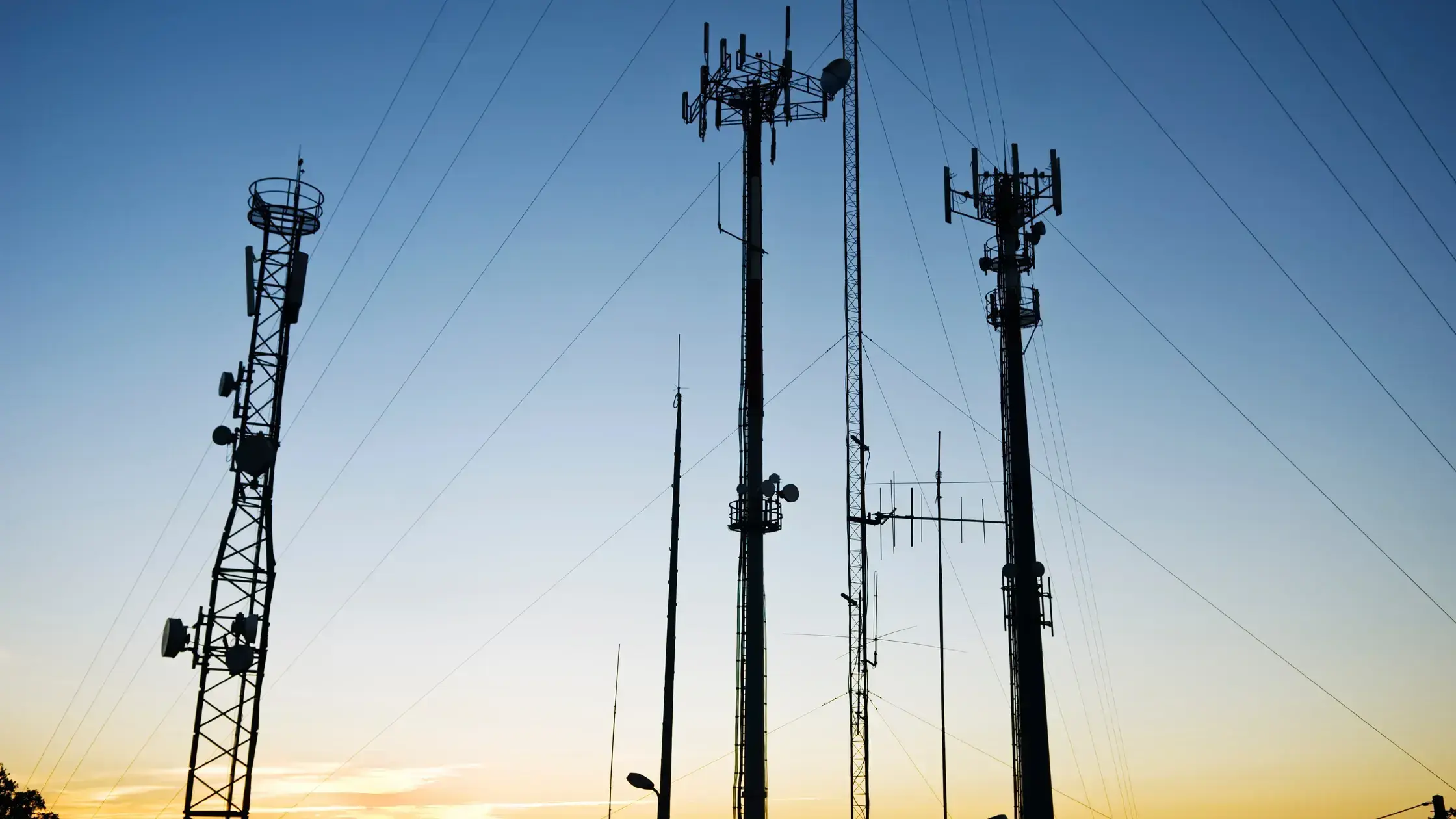
A key theme at MWC 2024 was sustainability, and reducing energy costs is now a key concern and priority for all mobile operators. Although the discussion nowadays focuses mostly on active antennas and how network operators can deploy 5G, most global networks are still powered by passive antennas, which are also following sustainability enhancements. These are now referred to as “high-efficiency” antennas, highlighting that their design, manufacturing, operation, and technology are taking sustainability into account. These antennas have recently taken a significant step toward being adopted in the mainstream, from previously being discussed as a theoretical concept. These traditional passive antennas have inherent energy losses, achieved through both their design and the manufacturing process, which all add to increased energy output, and thus more Carbon Dioxide (CO2) emissions. With base stations and their attached antenna units totaling 57% of all electrical power consumption in the passive antenna network, this is a key area for vendors to target in reducing their energy output while increasing their Radio Frequency (RF) efficiency.