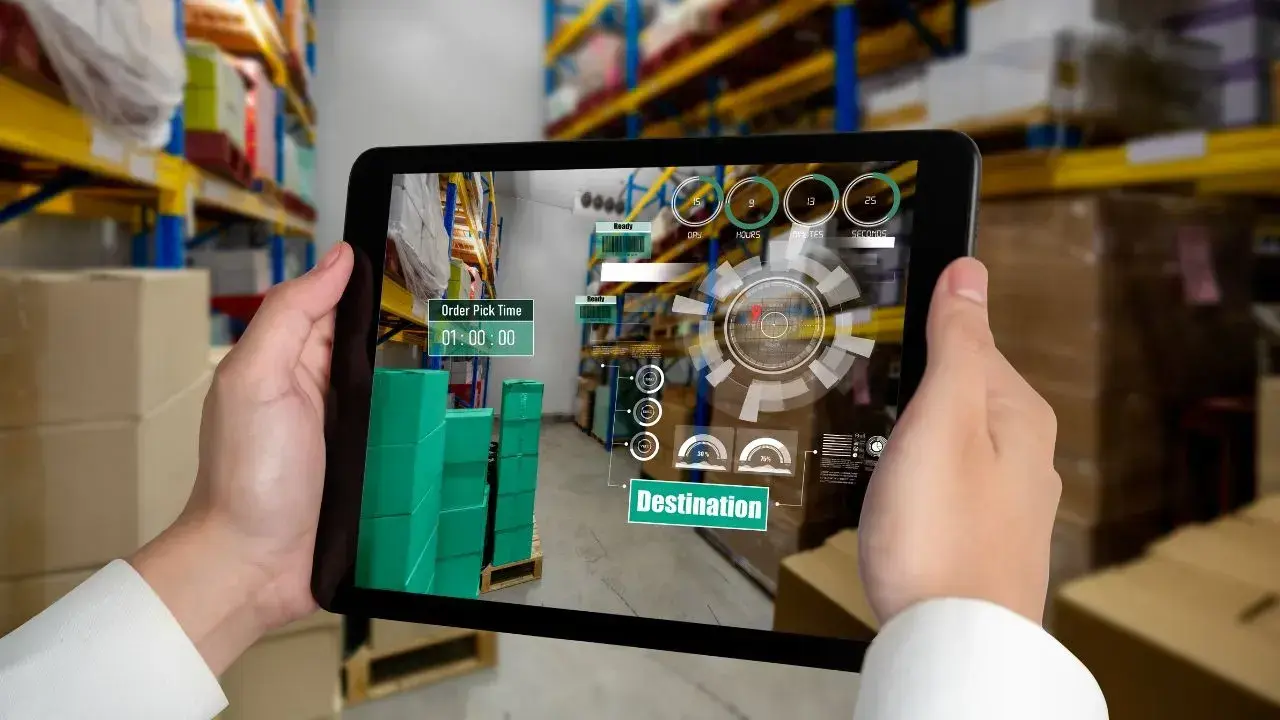
MODEX 2024 brought together the entire supply chain ecosystem to showcase end-to-end solutions, including traditional equipment, sustainability, workforce, automation, robotics, and emerging technologies. We were on the show floor—here are the key takeaways from Senior Analyst Adhish Luitel and Industry Analyst Ryan Wiggin.
MODEX 2024 Recap: First Impressions, Show Standouts, and Missed Opportunities
Mar 20, 2024 12:00:00 AM / by Admin posted in Supply Chain Management & Logistics
IoT and eSIM Are Redefining Embedded Connectivity Demands, Use Cases, and Ecosystems
Mar 19, 2024 12:00:00 AM / by Phil Sealy posted in IoT Hardware
“Connect and Forget" Is Now a Distant Memory
In the early days of the Internet of Things (IoT) industry, Mobile Virtual Network Operators (MVNOs) had clearly defined roles. Virtual network operators considered themselves network resellers, repackaging carrier connectivity at discounted rates and offering few additional services in the process.
12 Essential Features for Energy-Efficient Buildings
Mar 12, 2024 12:00:00 AM / by Rithika Thomas posted in Smart Buildings, Sustainability Software Markets, Smart Energy For Enterprises & Industries
Making buildings more energy-efficient or even net zero is a vital aspect of creating a more sustainable world. According to the International Energy Agency (IEA), 30% of global energy consumption comes from building operations. Therefore, minimizing the energy footprint of buildings is the logical first step in reducing emissions and addressing climate change. Making commercial and residential buildings energy efficient introduces the following benefits:
Structural Health Monitoring (SHM): Definition, Technologies, and Key Companies
Mar 6, 2024 12:00:00 AM / by Admin posted in IoT Markets
Bridges, railways, dams, buildings, and other infrastructure are highly symbolic of a nation’s technical marvels. When these structures get worn down or, in the worst-case scenario, collapse, it reflects poorly on a country’s identity and leads to tragic loss of life. However, early signs of damage to infrastructure are almost always impossible to detect with the naked eye. Corrosion, aging, fatigue, and impact loads only become observable at a late stage of deterioration, which is usually too late. Therefore, Structural Health Monitoring (SHM) is essential for governments, engineers, and infrastructure asset owners to apply if they want civil infrastructure to continue functioning properly. Remotely monitoring infrastructure with SHM systems provides the following benefits:
13 Artificial Intelligence (AI) Statistics for Business Leaders in 2024
Feb 22, 2024 12:00:00 AM / by Admin posted in AI & Machine Learning
It’s safe to say that Artificial Intelligence (AI) is the technology of the decade. AI is a cornerstone to automating business processes and improving consumer experiences. In this blog post, ABI Research shares some of the most striking artificial intelligence statistics revealed in the company’s recent market findings. These statistics accurately gauge the maturity and growth of various AI solutions and identify the trends that will dictate the future of the technology.
Pros and Cons of Each IoT Connectivity Technology
Feb 15, 2024 12:00:00 AM / by Elizabeth Stokes posted in IoT Networks & Platforms
Numerous types of Internet of Things (IoT) connectivity technologies exist, some well-established and others just emerging in the market. Choosing a wireless solution is one of the most important decisions a company makes when deploying IoT devices. The network capabilities of the many wireless technologies can vary greatly, making it imperative to ensure the right solution is being selected for your unique IoT environment. At the same time, wireless connectivity vendors must understand how their solution(s) hold up against the competition.
Global Smartphone Market Shares by Vendor (2023)
Feb 13, 2024 12:00:00 AM / by David McQueen posted in 5G Devices, Smartphones & Wearables
ABI Research just published its most recent version of the 5G Mobile Device Vendor Market Shares (released in 1Q 2024) market data product, which reveals worldwide smartphone market shares and sales volumes through 3Q 2023. Like last year’s vendor shares, a key trend is that Apple and Samsung dominate the market as the largest phone manufacturers.
Embedded Cellular Connectivity: How Apple eSIM-Only Smartphones and The SGP.32 Specification Is Changing The eSIM Adoption Paradigm
Feb 12, 2024 12:00:00 AM / by Phil Sealy
Embedded connectivity across consumer, Machine-to-Machine (M2M), and Internet of Things (IoT) applications continue on a positive growth trajectory. In the cellular domain, Embedded Subscriber Identity Module (eSIM) technology adoption, which allows remote selection and switching of carrier networks, has been and will continue to be a major catalyst for growth. Much of the underlying groundwork for standardizing eSIM has been completed thanks to the ongoing focus on developing and evolving different Remote SIM Provisioning (RSP)-capable SIM form factors. Thanks to these developments, shipments of eSIM-capable devices reached 446 million in 2023, nearly 2X more than 5 years ago.
CES 2024 Recap: Five Industry-Setting Highlights from ABI Research’s Analysts
Feb 9, 2024 12:00:00 AM / by Admin posted in Supply Chain Management & Logistics, IoT Markets, Smart Buildings, IoT Hardware, Smart Mobility & Automotive, Extended Reality (XR) Technologies
Several ABI Research analysts made the trip to Las Vegas in January for the Consumer Electronics Show (CES) 2024. Although geopolitical and macroeconomic conditions continue to cast a shadow over the technology world, CES 2024 had no shortage of excitement and optimism. Our analysts heard plenty of talks from vendors and enterprise end users about investments, partnerships, new technology adoption, and applications. If you missed CES 2024, we would like to share intriguing highlights from five of our analysts who attended the show, each covering a different technology area.
Autonomous Driving's Future Hinges Upon Innovative Applications and Reliable Technologies
Feb 8, 2024 12:00:00 AM / by James Hodgson posted in Smart Mobility & Automotive
Autonomous driving is one of the megatrends shaping the automotive industry, driven by Software-Defined Vehicle (SDV) architectures. While shipments of fully self-driving cars will remain small throughout the rest of the decade, semi-autonomous (Level 2, Level 3) features are already becoming common in the smart mobility market. From active safety features many automakers are already familiar with to automated highway cruise control, autonomous driving technology is maturing. However, more advanced applications still need development time before being safe for mass deployment. This article will evaluate the primary applications, benefits, and enabling technologies dictating the future direction of autonomous driving.