Fleet safety is a critical aspect of protecting drivers, maximizing Return on Investment (ROI), and preserving brand image. Yet many commercial fleet operators lack the means to identify risky driving behaviors and quickly resolve issues. Trucks and buses are increasingly at the center of fatal road incidents in the United States, highlighting the need for cutting-edge technology that can help prevent road accidents.
Video AI for Fleet Management: Improving Safety and Helping Reduce Insurance Costs
Oct 29, 2025 12:21:57 PM / by Adhish Luitel posted in Supply Chain Management & Logistics, AI & Machine Learning, Freight Transportation, Supply Chain Software
Five Must-Have Features of a Fleet Management System for U.S. Enterprises
Oct 29, 2025 11:40:55 AM / by Adhish Luitel posted in Supply Chain Management & Logistics, Freight Transportation, Supply Chain Software
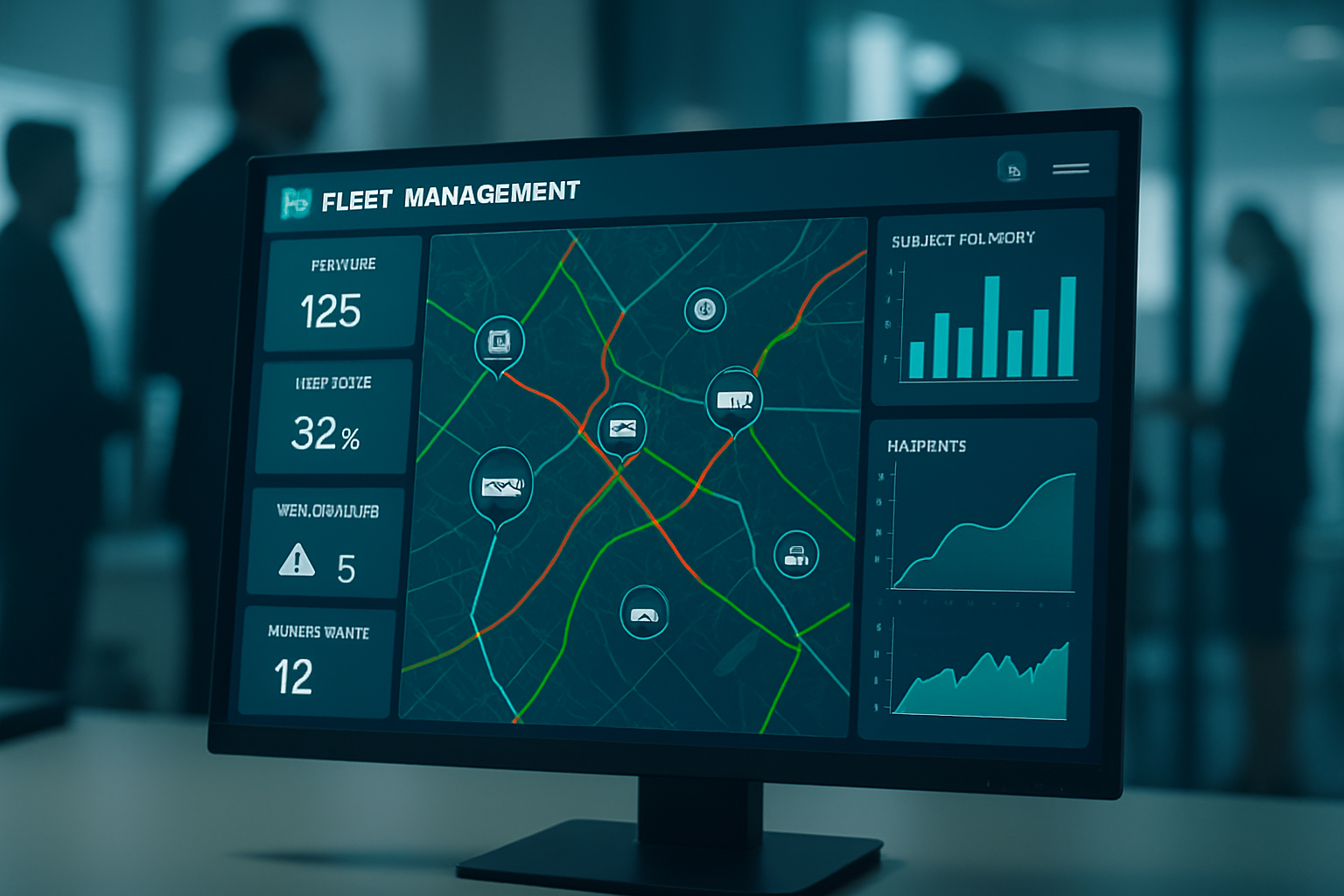
Fleet managers in the United States contend with a variety of challenges that hinder profitability. Whether it’s rising fuel costs or new regulations, the right fleet management system addresses the most pressing issues. However, not all fleet management software provides the measurable Return on Investment (ROI) that organizations seek.
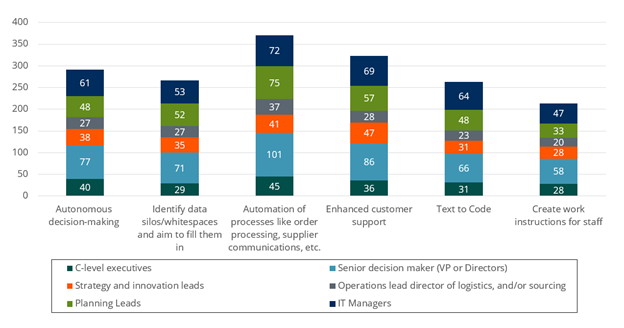
2025 Supply Chain Survey Results—Artificial Intelligence (AI) Usage and Investment Plans
Oct 14, 2025 4:45:14 PM / by Adhish Luitel posted in Supply Chain Management & Logistics, Freight Transportation, Supply Chain Software, Warehousing & Fulfillment
Use These Supply Chain Risk Management Strategies to Avoid Disruptions
Jun 5, 2025 12:00:02 AM / by Ryan Wiggin posted in Supply Chain Management & Logistics, Supply Chain Software
Supply chain risks can come in many forms, abruptly disrupting operations. A seaport could become congested, a trade policy may require new suppliers, or low consumer demand might result in inventory overstock. From the COVID-19 pandemic to the new U.S. tariffs, recent events have made it clear that enterprises cannot assume their supply chains will always remain stable. In fact, they should always prepare for the worst to limit the damage from potentially disruptive crises. To mitigate supply chain risks, companies must leverage effective Supply Chain Risk Management (SCRM) strategies. SCRM is essential to identifying supply chain vulnerabilities, including internal bottlenecks, supplier issues, geopolitical changes, regulations, and other factors.